AGP Executive Report
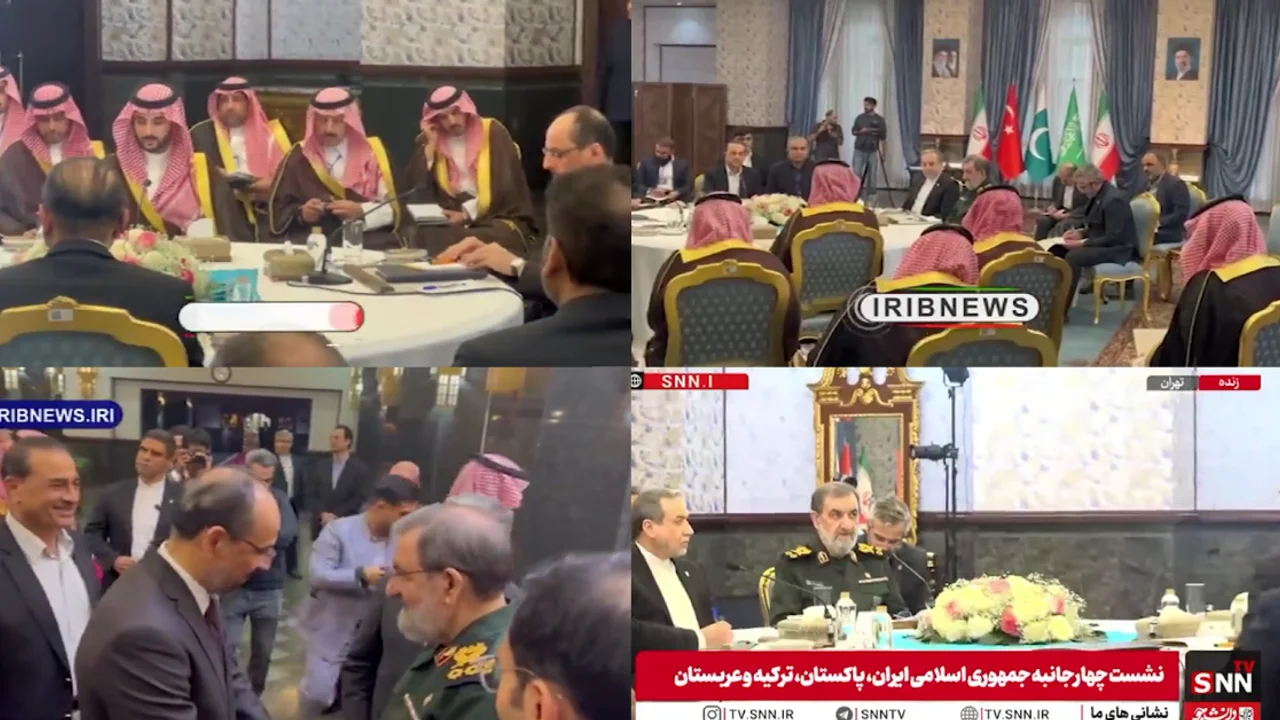
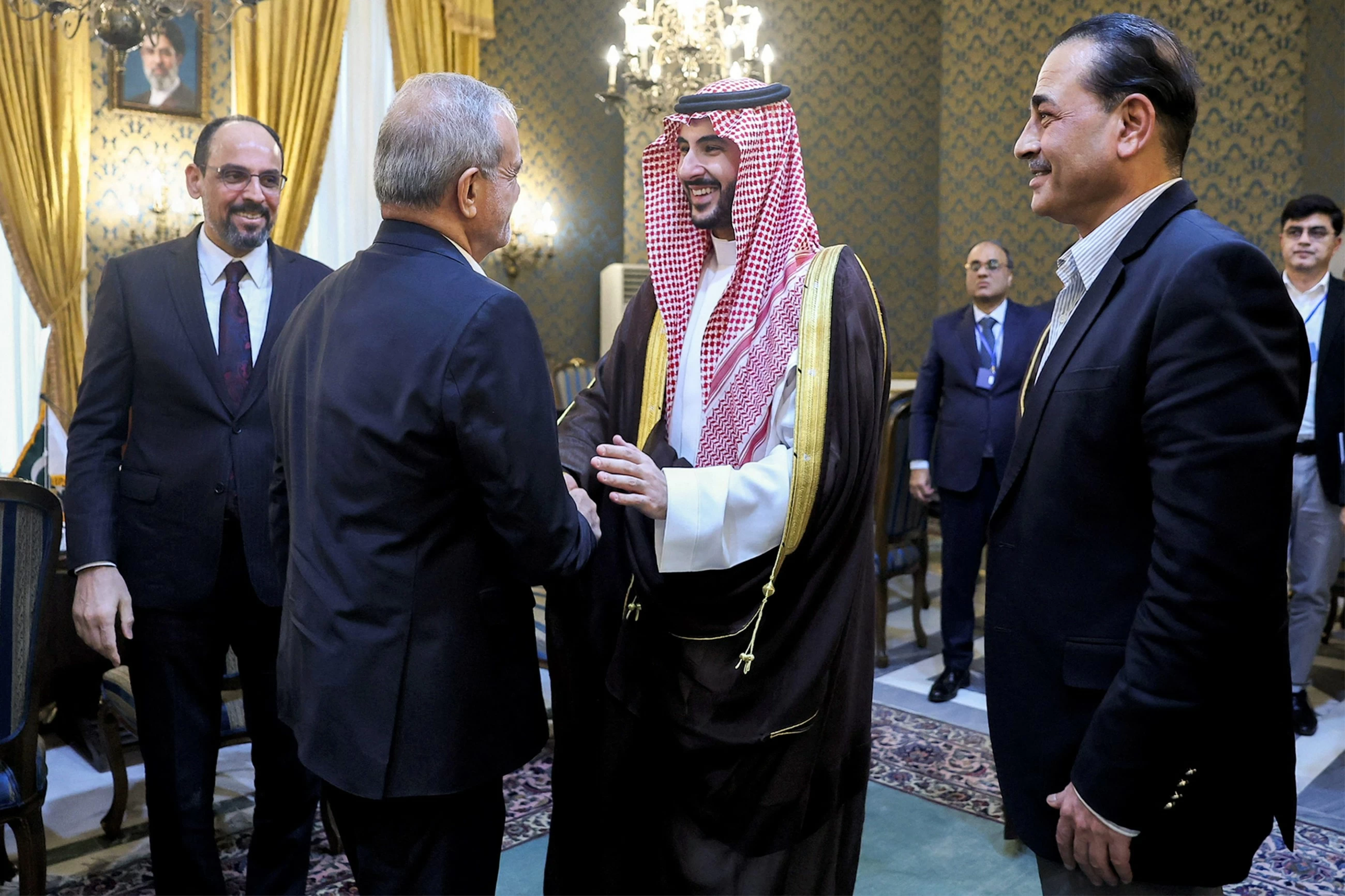
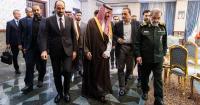
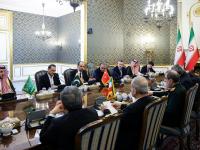
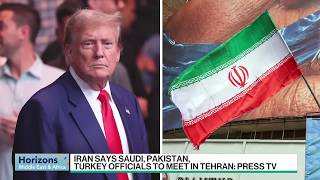
Last update: 8 hours agoRegional Diplomacy: Saudi, Turkish and Pakistani officials met Iranian leaders in Tehran, agreeing to continue talks on regional security and avert renewed escalation. Oil Markets: Crude prices fell for a second day as diplomacy raised hopes of easing supply risks; Brent slipped below $116 a barrel, though tensions remain high. Economic Pressure: Iran is expanding food vouchers as inflation weighs on households. The IMF sees inflation at 68.9%, while U.S. Treasury Secretary Scott Bessent predicts the economy will contract by more than 25% under tightening U.S. pressure. Trade Routes: Pakistan reopened a key crossing with Iran after a week-long suspension, but truck backlogs persist, delaying trade and raising concerns over LPG supplies. Iran is also pressing Iraq to reopen the Al-Sheeb crossing, a major route for goods and pilgrims.
Note: AI summary from news headlines; neutral sources weighted more to help reduce bias in the result. Feedback is welcome. Please let us know if you have any comments or suggestions about the AGP Executive Report.



 Perspectify News